
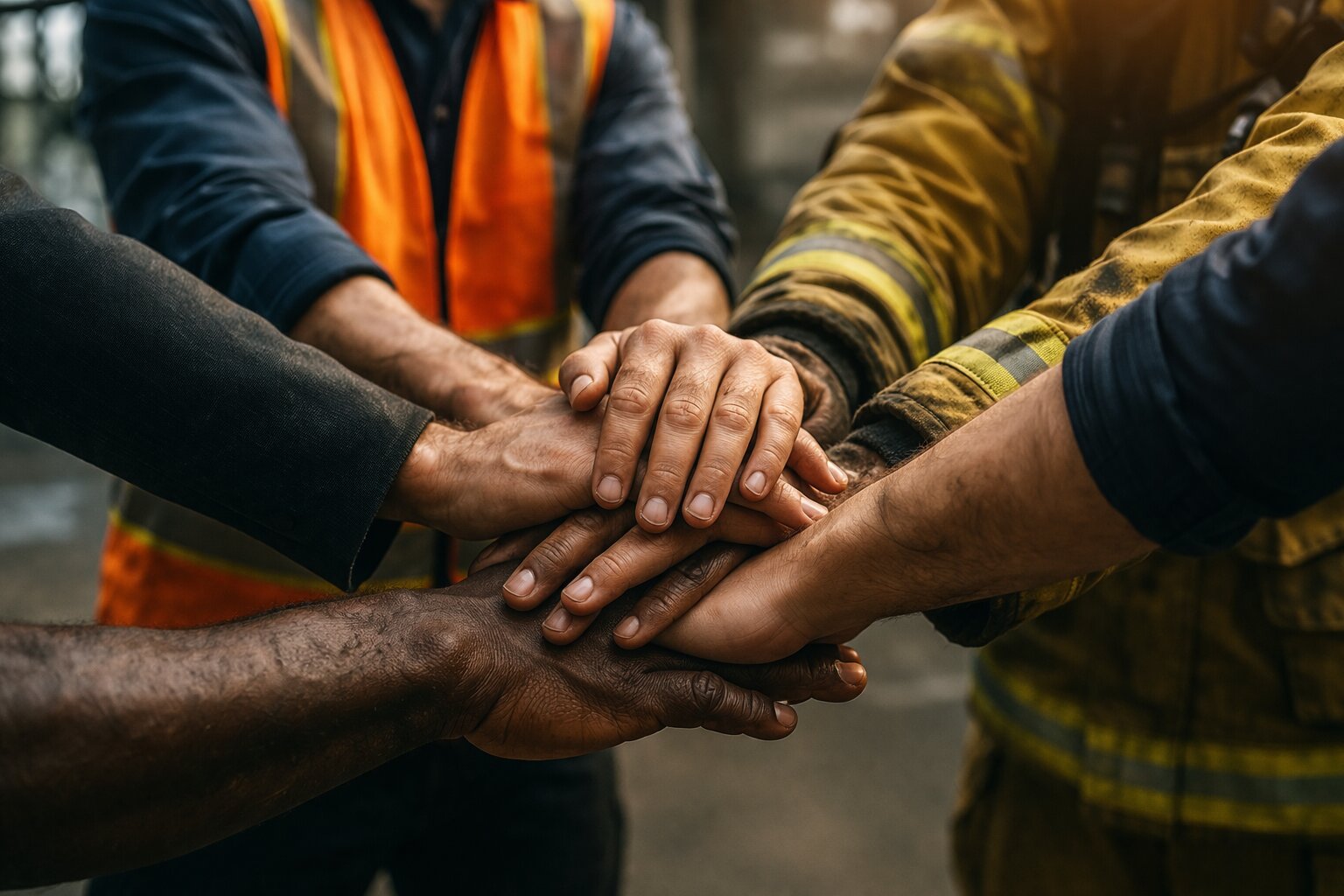
In any high-stakes environment—from the fire ground to the corporate office—safety is not merely a set of rules to be followed; it is a fundamental pillar of organizational identity. A true Culture of Safety is a collective commitment that transcends individual actions, transforming safety from a checklist into a shared value system. It is built on the premise that safety is everyone’s responsibility, designed “For You, For Us, and For Them”.
Why a Safety Culture Matters
The importance of a robust safety culture extends far beyond basic compliance. At its core, it is about protecting the most valuable asset of any organization: its people. When safety is prioritized, it leads to improved morale and heightened performance. Conversely, the impact of safety losses can be devastating.
The Business Case for Safety
Reducing business costs is a significant byproduct of a safe environment. Organizations must account for:
- Workman’s Compensation costs: Direct financial hits from workplace injuries.
- Labor Costs: The expense of finding and training fill-in staff when a team member is sidelined.
- Productivity: Safety incidents inevitably slow down production and disrupt operational flow.
- The Human Toll: Most importantly, there is an immeasurable cost to employees and their families when a preventable incident occurs.
The Foundational Components
A Culture of Safety is supported by several integrated components that guide daily operations and long-term planning.
Mission, Vision, and Values
Every safe organization begins with a clear sense of purpose.
- Mission: This shapes the “today,” defining the reason for the organization’s existence and what it does.
+1 - Vision: This prepares the organization for “tomorrow,” providing direction and a roadmap for the future.
+1 - Values: These represent the core beliefs—who the organization is and what it deems most important.
Operational Integration
Beyond philosophy, safety requires practical application through hazard assessment, comprehensive safety plans, and ongoing training. This necessitates a dual commitment from both the company and the employee, fostering a collaborative environment where responsibilities are shared.
The Three Pillars: Competent, Committed, Caring
The framework for individual and collective success in a safety-first environment is summarized by three essential traits: being Competent, Committed, and Caring.
1. Competent
Competence is the baseline for safety. It means having the specific knowledge, skills, and abilities required to perform your job effectively.
- Training: Being well-trained is the primary defense against workplace hazards.
- Application: Using that training daily to stay safe and keep others safe.
2. Committed
Commitment reflects the attitude and dedication brought to the role.
- Engagement: Being fully engaged and doing the best job possible every single day.
- Excellence: Striving for both organizational and personal excellence.
- Lifelong Learning: Remaining open to new ideas and better ways of doing things to avoid the dangers of complacency.
+1 - Teamwork: Being a “team player” who prioritizes cooperation and collaboration over individual shortcuts.
3. Caring
The final pillar is the emotional and ethical driver of safety.
- For the Company: Caring about the health and longevity of the organization.
- For Peers: Looking out for the people you work with to ensure everyone goes home.
- For the Family: Recognizing that the ultimate reason for safety is to return home to your loved ones.
The Framework of a Just Culture - A Culture of Safety cannot thrive in an environment of fear. It requires a Just Culture—an atmosphere that is non-punitive and emphasizes fairness based on clearly defined parameters.
- In a Just Culture:
- Empowerment: Employees are empowered to stop unsafe acts immediately, regardless of their rank.
- Reporting: Employees are encouraged to report errors and “near misses” without fear of retribution.
- Growth: The goal is improvement and learning, not finding someone to blame.
- Continuous Improvement and Corrective Action
- To maintain a safe environment, an organization must be willing to learn from previous issues. This is achieved through a structured Corrective Action Process.
The Goal of Corrective Action
The process should always be initiated within the spirit of a Just Culture, making it clear that the goal is a safer, more supportive environment rather than punishment. Any employee who becomes aware of an issue—whether it is a past incident or a potential future hazard—should be able to start a corrective action form.
The Three-Section Process
To ensure objectivity, the Corrective Action Plan form is divided into three critical sections:
- Documentation: Clearly state what is known about the problem or the area in need of improvement.
- Mapping: Create a step-by-step plan for how the problem will be fixed or improved.
- Lessons Learned: Record how the problem was resolved and identify the measures that will prevent it from recurring.
While some issues can be resolved by one or two employees, more extensive problems may require collaboration with internal and external stakeholders, overseen by management or a safety committee.
Conclusion: The Way You Work
Ultimately, a Culture of Safety is defined by the way you work. It is the difference between “just getting by” and performing quality, safe work. It requires constant situational awareness, personal accountability, and a genuine pride in one’s profession.
By remaining Competent in our skills, Committed to excellence, and Caring toward our colleagues and families, we move beyond mere compliance. We create a sustainable environment where safety is not just a priority—which can change—but a core value that remains constant.
Would you like me to develop a sample “Corrective Action Form” based on these three sections for your organization?